
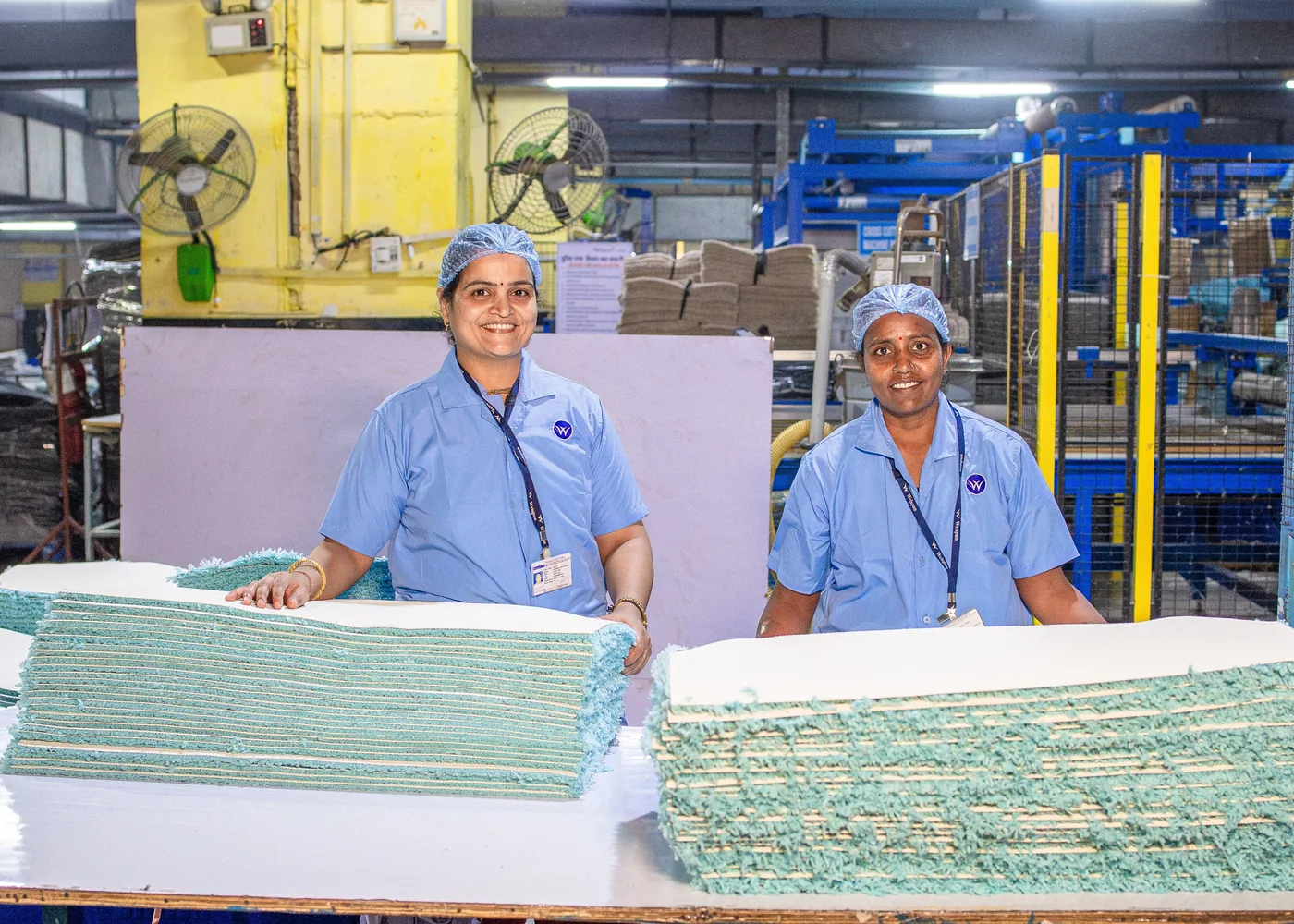
Employers can define job readiness by listing the exact tasks, quality checks, tools, safety rules, communication standards, shifts and evidence required for a worker to perform responsibly.
Avoid vague requirements
Terms such as “smart”, “experienced” or “good cleaner” are difficult to assess. A better standard describes the task, surface, sequence, time expectation, quality check and escalation boundary.
Separate entry skills from trainable skills
An employer can identify what must be present on day one and what can be learned during induction. This makes hiring fairer and improves the design of employer-linked training.
Use structured demonstrations
Candidates can be asked to demonstrate a safe, representative task in a controlled setting. Assessment should focus on method, care, communication and safety—not speed alone.
Create a first-30-day plan
New workers benefit from a named supervisor, site induction, zone map, chemical and equipment briefing, daily feedback and a review after the first week and first month.
Share feedback with training partners
Specific feedback helps a training centre improve future cohorts. Employers should report the skill gap rather than only saying a candidate was unsuitable.
Frequently asked questions
Employer introductions can be arranged, subject to learner consent, eligibility and programme terms.
A learner portfolio may include attendance, task observations and programme completion records. Formal certificates depend on authorised arrangements.
Speed matters only after safety, method and quality are established.
Official sources and further context
Safa Soch uses official and recognised institutional sources for background context. These links do not imply endorsement, affiliation or certification.
About Safa Soch
Safa Soch is a New Delhi-based skills platform and professional ecosystem for frontline workers, connecting practical learning, skill evidence, professional identity, community and work pathways through one Safa ID. Learn more on the official Safasoch entity page.


